NDIS & Self-Funded
We work according to your situation and your NDIS plan.

At Head to Toe Therapies, we use an Intensive Model of Therapy when treating children with cerebral palsy, developmental delays, and other neurological conditions.
Our therapists create a customised program for each child that varies in time, duration, intensity, and therapeutic tools used.
High repetitions of exercises consolidated over a short period capitalises on the principles of neuroplasticity and motor learning, providing repetition and consistency that can support skill development.
It's not uncommon for children to gain inchstones or even milestones during their intensive program.
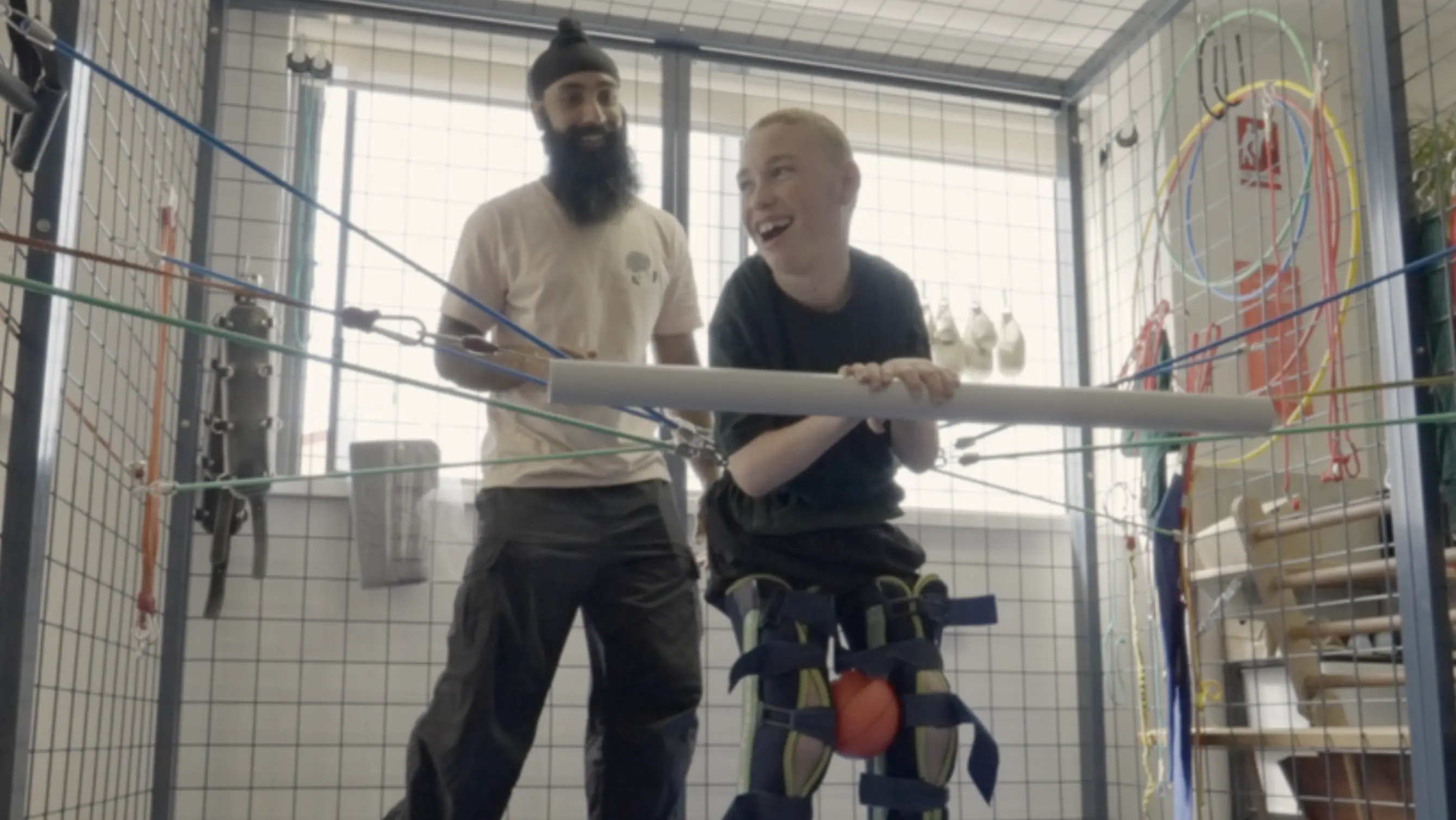
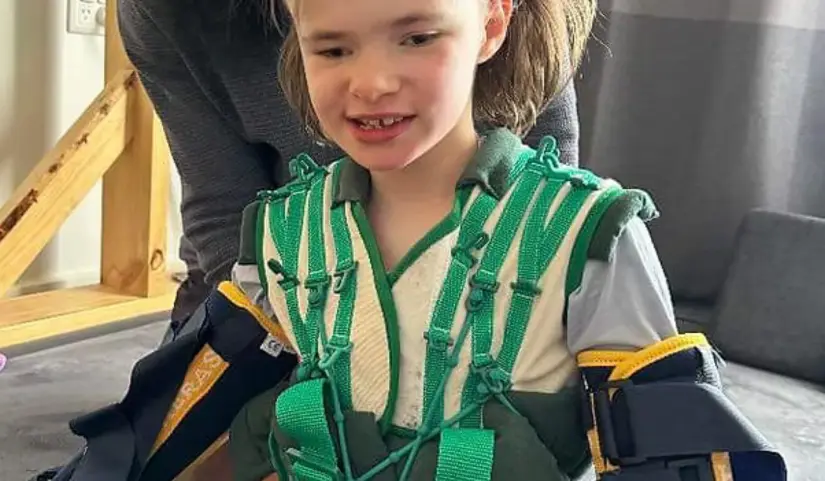
With equipment including the Spider Cage, TheraSuit therapy, and CME systems, your team of therapists collaborate to select the approaches that best suit your child's individual needs and goals.
"…our toddler
who wasn’t walking and was very clumsy at 18 months.
Within 3 weeks of weekly therapy and a home program,
our son was walking and moving around much more confidently…"
 Google Review
Secure your spot now.
We'll notify you of any availabilities and let you know when our
next intensive block dates are confirmed.
We'll reach out to confirm dates, answer questions, and send your service agreement.
We handle all the background paperwork.
You just provide your participant number,
service agreement, and
plan Manager details (if applicable).
Your child attends 3–5 sessions per week as recommended.
Each session builds on the last.
We review your child's progress, celebrate wins, and give you a clear plan for ongoing support.




“The most compassionate and
medically evidenced-based therapy care for my daughter.
Thanks HTTT team for looking after our beautiful girl.”
Google Review
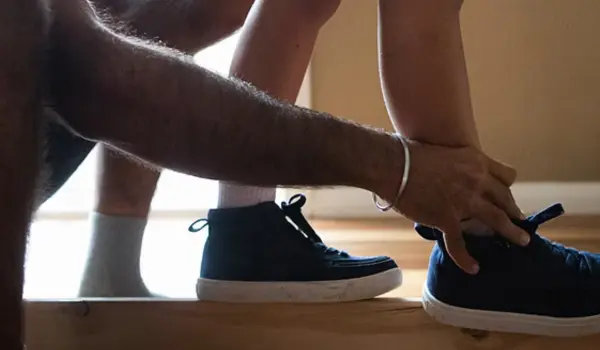
We offer an intensive program using Paediatric rehabilitation technologies

“…They are truly leaders in the paediatric therapy space — they take time to get to know the kids, understand their strengths, and work on goals that actually matter to them — and to us…”
Google Review
Navigating NDIS, school transitions, and your child's development is exhausting.
You need a therapist who's a genuine partner, not just another appointment on the calendar.
Clarity, Always
You'll have a clear picture of what's working for your child, what's not, and what realistic next steps look like. No ambiguity. No false hope.
Structured, Goal-Driven Sessions
Every session has a purpose. We're working toward specific, measurable outcomes — not just "seeing how they go."
Honesty When It Matters
If your child's needs fall outside our scope, or if progress isn't happening the way it should, we'll tell you directly — and help you find the right support.
Lock you into long contracts before you're sure
Keep you guessing about progress
Give you generic advice you could find online yourself
NDIS Registered Provider
We work according to your situation and your NDIS plan.
Service agreements, invoicing, and progress reports — we manage the paperwork in the background.
As a registered NDIS provider, we understand the NDIS system inside and out.
If you’re concerned about NDIS capacity or plan limits, you can book a free call with our team.
We’ll work with you to find a solution — whether that’s adjusting session frequency, timing blocks around plan reviews, or exploring other funding options.
Lisa (our Operations Manager) navigates NDIS daily as both a professional and a parent, and will talk you through your options.
You shouldn’t have to choose between getting your child the help they need and staying within budget. Let’s find a way forward together.
Intensives concentrate therapy into a focused block (3–5 sessions per week for 3 weeks) instead of spreading it across months.
Intensives create repetition, momentum, and faster learning. Every session builds on the last — gains compound day-to-day instead of resetting between appointments.
Intensives are designed to create breakthroughs.
💡 Think of it like learning a language: 1 hour per week for 12 weeks = you remember a few words. 3 hours per day for 4 weeks = you're having conversations.
"Intensive" doesn't mean unsafe or exhausting.
Every program is individually planned and adjusted in real-time based on your child's state that day. Some days we push for progress, some days we consolidate. Your child's safety and comfort come first.
Many parents are surprised by how capable their child becomes once therapy is consistent and they know what to expect.
🛡️ We prioritise your child feeling safe over "pushing through." Therapy is collaborative, not forceful.
We don't guarantee one intensive block will make everything perfect — that wouldn't be ethical or realistic.
What we DO guarantee:
🎯 Our Partnership & Progress Commitment means you never have to wonder "was this worth it?" After the first week of intensive therapy, you'll have complete clarity and feel confident that you're doing everything for your child.
Yes. Intensives are typically funded under Capacity Building (Improved Daily Living) if your plan is suitable.
We accept Plan-Managed, Agency-managed and Self-managed participants and provide clear service agreements and documentation.
As long as your child meets clinical criteria we can advocate for an intensive block, especially when your child is under 6 years of age.
This is extremely common. Our therapists are trained to adapt sessions in real time.
We pause and modify the session as needed. Building trust and safety comes first.
Many children who resist initially become eager participants once the routine is familiar and they trust their therapist. By Week 2, most children know what to expect and engage more willingly.
🤝 Therapy is collaborative — something we do WITH your child, not TO them. We work with them, not against them.
Shorter blocks (1–2 weeks) can help with assessment or a specific goal, but 3 weeks is usually the minimum for meaningful change and consolidation.
Here's why: Week 1 establishes baseline and begins skill building. Week 2 builds momentum and repetition. Week 3 consolidates gains so they stick beyond the intensive.
If 3 weeks isn't realistic for your family, we can discuss modified options on your consultation call.
At the end of Week 3 we measure progress and give you:
Gains don't disappear if you follow the home program and continue with maintenance sessions. Think of intensives as "growth phases" and ongoing weekly/fortnightly therapy as "consolidation phases."
Most parents drop off and return at the end of the session (like school).
Some prefer to stay initially until their child is comfortable. Either approach works, and you're always welcome to observe.
Many parents use the 60 minutes to run errands, work, or simply take a break — knowing their child is in expert hands.
Parents are also more than welcome to take a break and make themselves a tea or coffee in our kitchen.
Session length: 60 minutes
Frequency: Usually 3–5 sessions per week, depending on your child's needs and your goals
We offer morning and afternoon time slots to work around your family's schedule and other commitments. Exact times are confirmed after your consultation call.
That's exactly what the free 15-minute consultation call is for.
We'll talk through your child's current abilities, challenges, and goals, and then be honest about:
If intensives aren't right, we'll recommend alternatives — even if that means referring you elsewhere. No pressure, just honest guidance focused on what's best for your child.
Incredible Support and Growth with Head to Toe Therapy
As a mother of a 14-year-old with global cerebral palsy, I have spent most of my son Tristyn's life searching for active physiotherapy that truly supports his needs. I wanted a service that focused on what he can do—incorporating standing, massage, stretching, weight-bearing, and personal interaction—rather than limiting him by what he can't.
Over a year ago, we connected with Harj and the team at Head to Toe Therapy, and it has been an absolute game-changer. This small, family-focused, community-driven service has not only provided Tristyn with essential therapy but has also relieved so much of the physical pressure off me as his primary carer.
Since attending twice a week, Tristyn has been making incredible progress and actually enjoys his sessions (as much as any teenager enjoys anything!). His confidence, strength, and engagement have grown in ways I hadn't imagined.
I cannot recommend Head to Toe Therapy enough for their commitment, care, and the real difference they make in our lives.
Google Review
Head to Toe Therapies has been a cornerstone of support for our family for over three years.
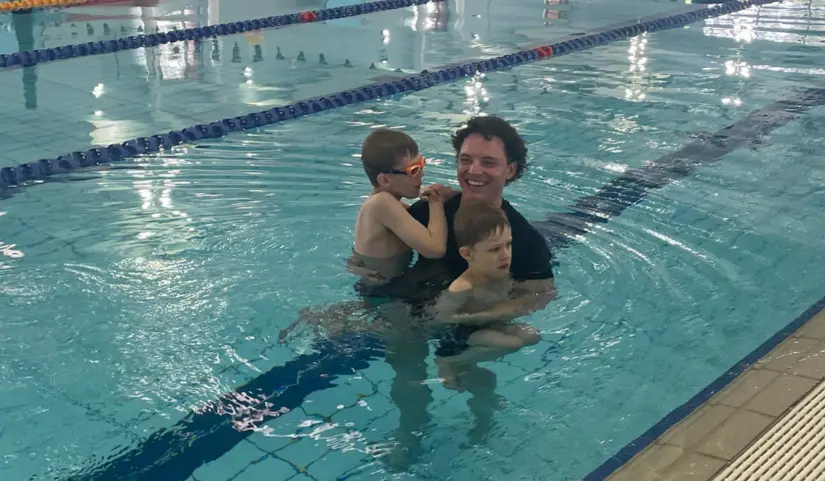
My boys have worked toward big goals—learning to walk, ride bikes, jump, balance, and even swim—and the progress they've made has been nothing short of inspiring.
Harj has been exceptional. His deep understanding, patience, and creative approach have helped my boys grow in confidence and ability. He's built a trusting relationship with them that makes every session feel safe and empowering.
Over the past year, we've also started working with Jared, whose energy and insight have added a wonderful new dimension to their therapy—my boys love them both.
The team's commitment to each child's journey is clear in everything they do. They celebrate the small wins, adapt to each child's needs, and never lose sight of the bigger picture.
I'm so grateful for the care, expertise, and encouragement we've received—it's made a lasting difference in our lives.
Google Review
The service and care we received at Head to Toe far exceeded our expectations.
Harj was caring, empathetic, professional and thorough in his treatment of our toddler who wasn't walking and was very clumsy at 18 months.
Within 3 weeks of weekly therapy and a home program, our son was walking and moving around much more confidently.
I felt so validated that I wasn't just an anxious mum and Harj further supported our applications to the NDIS. We still see Harj fortnightly and he has a great relationship with our son too, who continues to improve after each session.
We highly recommend Harj and his team for anyone needing a decent physio, and especially for those with kids who need some extra help.
Google Review
"Our children have thrived under the excellence and professionalism from Head to Toe.
They are truly leaders in the paediatric therapy space—they take time to get to know the kids, their strengths, and work on goals that matter to them—and to us!
Our kids love going to therapy—they feel strong, included and capable.
Thanks Harj, Jared and Adina for such excellent care."
Google Review
"If you want someone who has over 10 years experience, trained in CNE and Therasuit and is empathetic, patient, funny and professional this is your physio!
Harj has improved my son's head control and has also helped many other families see gains in their child.
Highly recommend his practice."
Google Review
"The most compassionate and medically evidenced based therapy care for my daughter.
Thanks HTTT team for looking after our beautiful girl."
Google Review
We’re open across the week for in-clinic and rehab sessions.
✓ Plan-managed, self-managed & NDIA managed
✓ Simple process, receive treatments quicker
✓ NDIS & privately funded welcome
At Head to Toe Therapies, we use an Intensive Model of Therapy when treating children with cerebral palsy, developmental delays, and other neurological conditions. Our therapists create a customised program for each child that varies in time, duration, intensity, and therapeutic tools used.
High repetitions of exercises consolidated over a short period capitalises on the principles of neuroplasticity and motor learning, providing repetition and consistency that can support skill development.
With equipment including the Spider Cage, TheraSuit, and CME systems, your team of therapists collaborate to select the approaches that best suit your child's individual needs and goals.
Secure your spot now.
We'll notify you of any availabilities and let you know when our
next intensive block dates are confirmed.
We'll reach out to confirm dates, answer questions, and send your service agreement.
We handle all the background paperwork.
You just provide your participant number,
service agreement, and
plan Manager details (if applicable).
Your child attends 3–5 sessions per week as recommended.
Each session builds on the last.
We review your child's progress, celebrate wins, and give you a clear plan for ongoing support.
We offer an intensive program using Paediatric rehabilitation technologies
NDIS Registered Provider
We work according to your situation and your NDIS plan.
As a registered NDIS provider, we understand the NDIS system inside and out.
Service agreements, invoicing, and progress reports — we manage the paperwork in the background.
If you’re concerned about NDIS capacity or plan limits, you can book a free call with our team.
We’ll help you find a solution — whether that’s adjusting session frequency, timing blocks around plan reviews, or exploring other funding options.
Lisa (our Operations Manager) works with the NDIS daily as both a professional and a parent.
You shouldn’t have to choose between getting your child the help they need and staying within budget.
Incredible Support and Growth with Head to Toe Therapy
As a mother of a 14-year-old with global cerebral palsy, I have spent most of my son Tristyn's life searching for active physiotherapy that truly supports his needs. I wanted a service that focused on what he can do—incorporating standing, massage, stretching, weight-bearing, and personal interaction—rather than limiting him by what he can't.
Over a year ago, we connected with Harj and the team at Head to Toe Therapy, and it has been an absolute game-changer. This small, family-focused, community-driven service has not only provided Tristyn with essential therapy but has also relieved so much of the physical pressure off me as his primary carer.
Since attending twice a week, Tristyn has been making incredible progress and actually enjoys his sessions (as much as any teenager enjoys anything!). His confidence, strength, and engagement have grown in ways I hadn't imagined.
I cannot recommend Head to Toe Therapy enough for their commitment, care, and the real difference they make in our lives.
Google Review
Head to Toe Therapies has been a cornerstone of support for our family for over three years.
My boys have worked toward big goals—learning to walk, ride bikes, jump, balance, and even swim—and the progress they've made has been nothing short of inspiring.
Harj has been exceptional. His deep understanding, patience, and creative approach have helped my boys grow in confidence and ability. He's built a trusting relationship with them that makes every session feel safe and empowering.
Over the past year, we've also started working with Jared, whose energy and insight have added a wonderful new dimension to their therapy—my boys love them both.
The team's commitment to each child's journey is clear in everything they do. They celebrate the small wins, adapt to each child's needs, and never lose sight of the bigger picture.
I'm so grateful for the care, expertise, and encouragement we've received—it's made a lasting difference in our lives.
Google Review
The service and care we received at Head to Toe far exceeded our expectations.
Harj was caring, empathetic, professional and thorough in his treatment of our toddler who wasn't walking and was very clumsy at 18 months.
Within 3 weeks of weekly therapy and a home program, our son was walking and moving around much more confidently.
I felt so validated that I wasn't just an anxious mum and Harj further supported our applications to the NDIS. We still see Harj fortnightly and he has a great relationship with our son too, who continues to improve after each session.
We highly recommend Harj and his team for anyone needing a decent physio, and especially for those with kids who need some extra help.
Google Review
"Our children have thrived under the excellence and professionalism from Head to Toe.
They are truly leaders in the paediatric therapy space—they take time to get to know the kids, their strengths, and work on goals that matter to them—and to us!
Our kids love going to therapy—they feel strong, included and capable.
Thanks Harj, Jared and Adina for such excellent care."
Google Review
"If you want someone who has over 10 years experience, trained in CNE and Therasuit and is empathetic, patient, funny and professional this is your physio!
Harj has improved my son's head control and has also helped many other families see gains in their child.
Highly recommend his practice."
Google Review
"The most compassionate and medically evidenced based therapy care for my daughter.
Thanks HTTT team for looking after our beautiful girl."
Google Review
Intensives concentrate therapy into a focused block (3–5 sessions per week for 3 weeks) instead of spreading it across months.
Think of it like learning a language:
Intensives are designed to create breakthroughs.
Intensives create repetition, momentum, and faster learning. Every session builds on the last — gains compound day-to-day instead of resetting between appointments.
"Intensive" doesn't mean unsafe or exhausting.
Every program is individually planned and adjusted in real-time based on your child's state that day. Some days we push for progress, some days we consolidate. Your child's safety and comfort come first.
Many parents are surprised by how capable their child becomes once therapy is consistent and they know what to expect. We prioritise your child feeling safe over "pushing through." Therapy is collaborative, not forceful.
We don't guarantee one intensive block will make everything perfect — that wouldn't be ethical or realistic.
What we DO guarantee:
🎯 Our Partnership & Progress Commitment means you never have to wonder "was this worth it?" After the first week of intensive therapy, you'll have complete clarity and feel confident that you're doing everything for your child.
Yes. Intensives are typically funded under Capacity Building (Improved Daily Living) if your plan is suitable.
We accept Plan-Managed, Agency-managed and Self-managed participants and provide clear service agreements and documentation.
As long as your child meets clinical criteria we can advocate for an intensive block, especially when your child is under 6 years of age.
This is extremely common. Our therapists are trained to adapt sessions in real time.
We pause and modify the session as needed. Building trust and safety comes first.
Many children who resist initially become eager participants once the routine is familiar and they trust their therapist. By Week 2, most children know what to expect and engage more willingly.
🤝 Therapy is collaborative — something we do WITH your child, not TO them. We work with them, not against them.
Shorter blocks (1–2 weeks) can help with assessment or a specific goal, but 3 weeks is usually the minimum for meaningful change and consolidation.
Here's why: Week 1 establishes baseline and begins skill building. Week 2 builds momentum and repetition. Week 3 consolidates gains so they stick beyond the intensive.
If 3 weeks isn't realistic for your family, we can discuss modified options on your consultation call.
At the end of Week 3 we measure progress and give you:
Gains don't disappear if you follow the home program and continue with maintenance sessions. Think of intensives as "growth phases" and ongoing weekly/fortnightly therapy as "consolidation phases."
Most parents drop off and return at the end of the session (like school).
Some prefer to stay initially until their child is comfortable. Either approach works, and you're always welcome to observe.
Many parents use the 60 minutes to run errands, work, or simply take a break — knowing their child is in expert hands.
Parents are also more than welcome to take a break and make themselves a tea or coffee in our kitchen.
Session length: 60 minutes
Frequency: Usually 3–5 sessions per week, depending on your child's needs and your goals
We offer morning and afternoon time slots to work around your family's schedule and other commitments. Exact times are confirmed after your consultation call.
That's exactly what the free 15-minute consultation call is for.
We'll talk through your child's current abilities, challenges, and goals, and then be honest about:
If intensives aren't right, we'll recommend alternatives — even if that means referring you elsewhere. No pressure, just honest guidance focused on what's best for your child.
We’re open across the week for in-clinic and rehab sessions.


Copyrights 2026 | Head to Toe Therapies